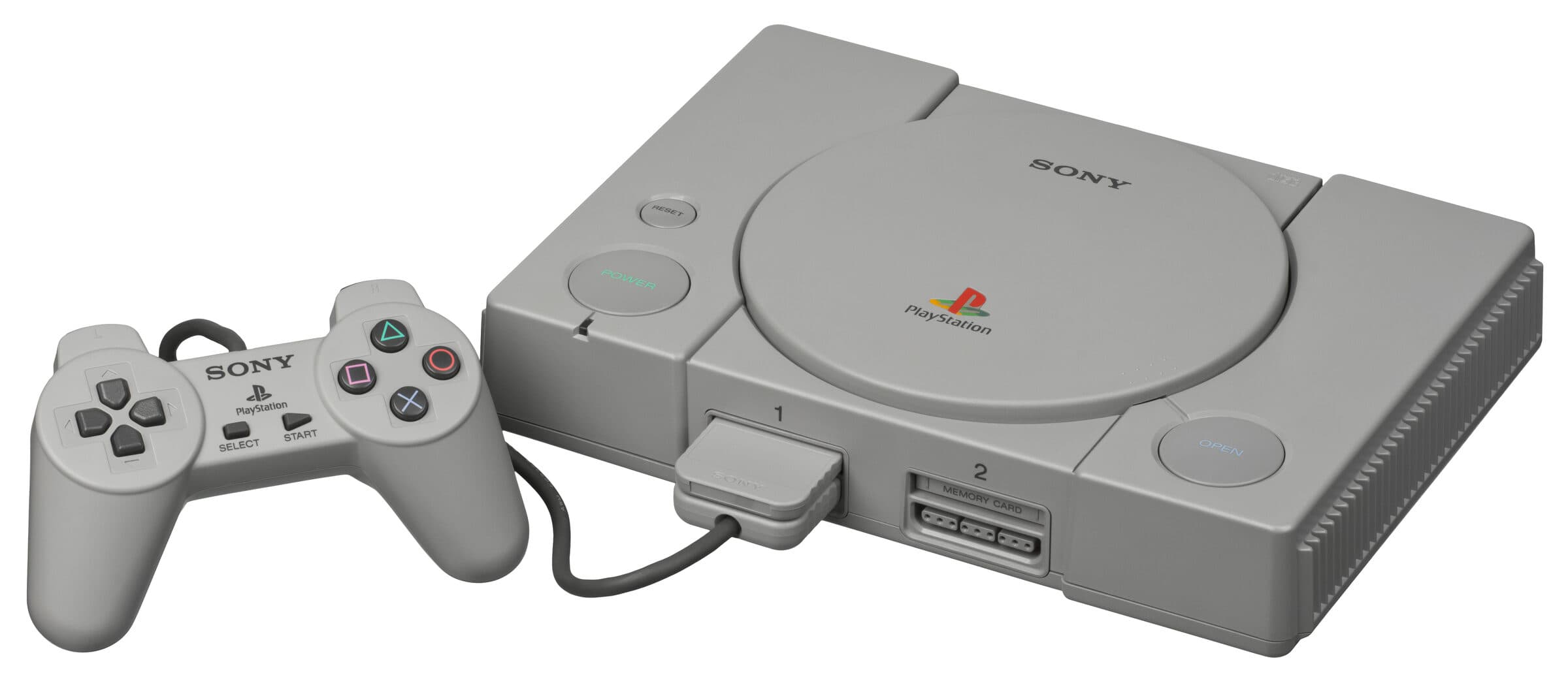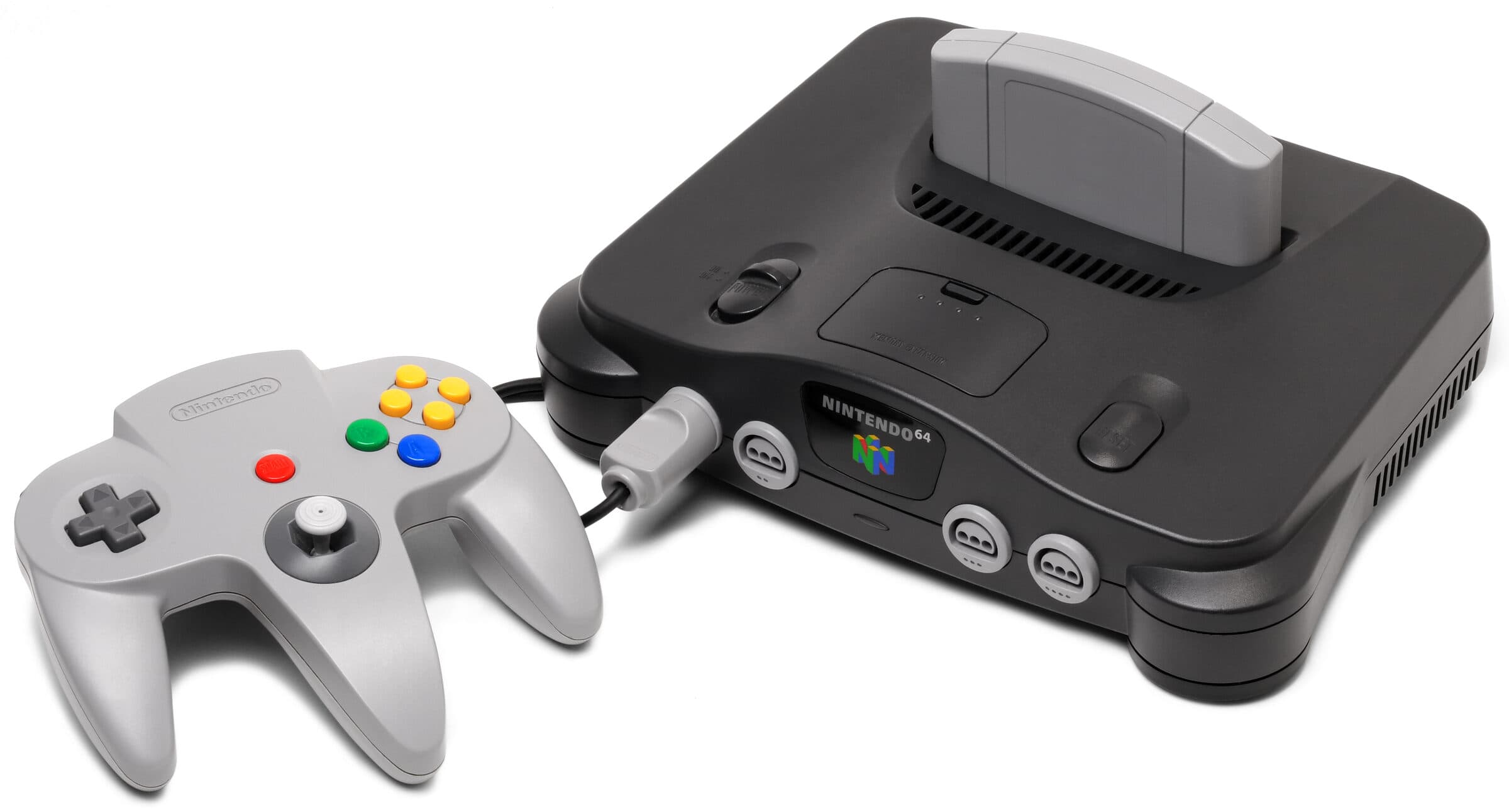
The Nintendo 64 was Nintendo's last home console to use cartridges, and it shows in everything from the load times to the fidelity of the music. It launched in Japan and North America in 1996, in PAL territories the following year, and faced a Sony PlayStation that had a two-year head start, a CD-based optical drive, and a third-party catalogue that already dwarfed anything Nintendo had lined up.
It still won a lot of households over.
What's inside
The N64 paired a 64-bit MIPS CPU with a custom Silicon Graphics coprocessor that handled both 3D geometry and audio. By the mid-90s SGI was the workstation people used to make Toy Story; getting their silicon into a $200 game console felt audacious at the time and still does in retrospect. The console shipped with a generous 4 MB of unified RDRAM (fast, but stingy in absolute terms), with a slot on the underside for the Expansion Pak that doubled it.
That single 4 MB → 8 MB bump unlocked higher-resolution modes in Perfect Dark, the elaborate menus of Donkey Kong 64, and made The Legend of Zelda: Majora's Mask possible at all.
What it shipped with
The hardware came with a controller that was, for its first owners, deeply weird. Three handles arranged in a Y, only one of which you could comfortably hold at a time. The middle position gave you the analog stick (Nintendo's first) and the Z-trigger underneath, which slotted neatly into the L1/L2/Z trio of buttons on the controller's front. The C-buttons on the right were used as a second control stick on most games, years before dual-stick became the default.
It came in a charcoal grey by default, but the catalogue of clear coloured cases (Watermelon Red, Jungle Green, Ice Blue) has aged into one of the most distinctive looks in gaming hardware.
The catalogue
The N64's library is small by any standard. Roughly 388 retail games across its lifetime, where the PlayStation crossed 4,000. But the hits were very hit:
- Super Mario 64 taught everyone how 3D platformers should feel.
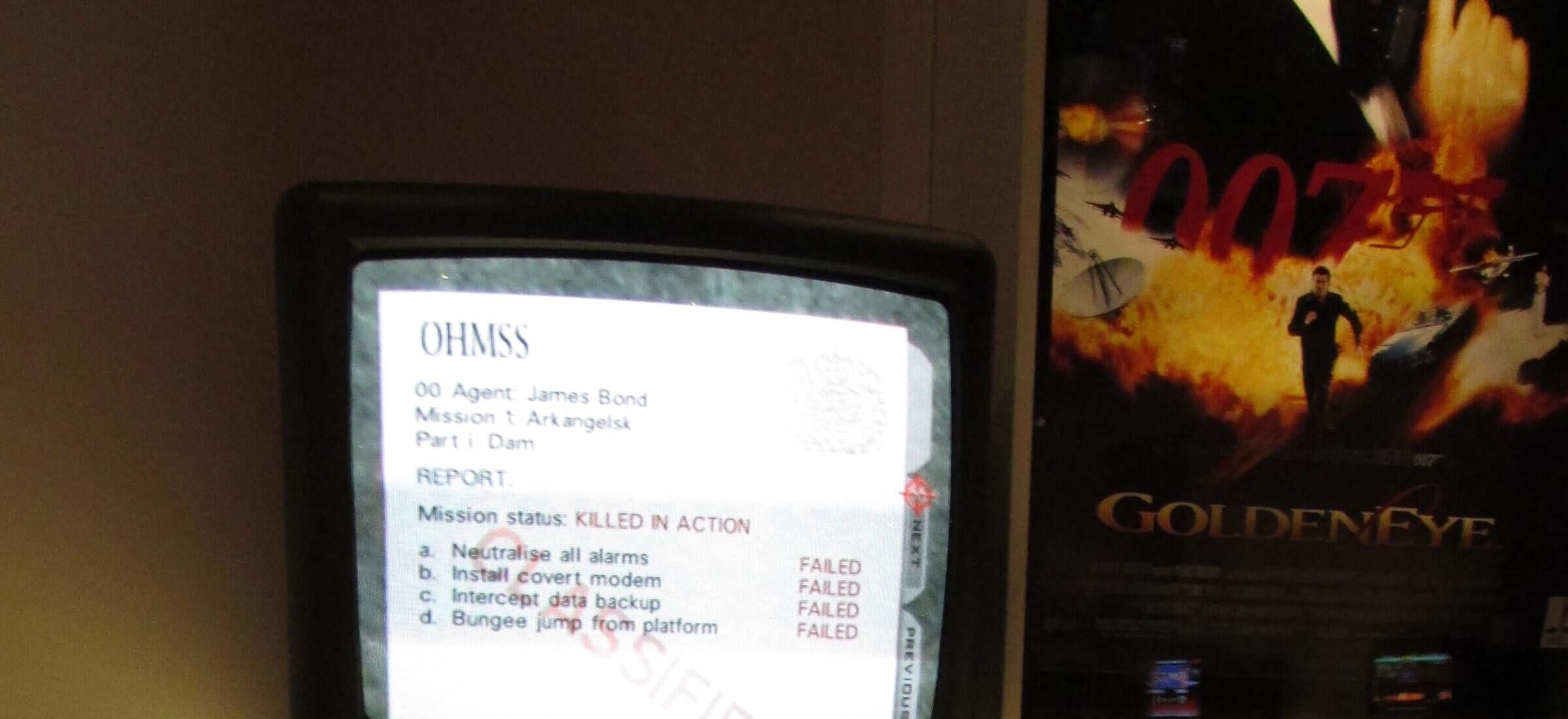
- GoldenEye 007 invented modern console FPS multiplayer.
- The Legend of Zelda: Ocarina of Time and Majora's Mask are still cited as benchmarks.
- Mario Kart 64 turned every shared house into a competition.
Below those, there's a long tail of third-party experiments (Rare's run, in particular, was extraordinary), with a thinner stretch of also-rans. The cartridge cost meant smaller publishers usually went elsewhere.
Why it still matters
The N64 is a console of ideas: the analog stick, four built-in controller ports, rumble as a default expectation, the C-stick precursor to twin-sticks. None of these were original to Nintendo, but the N64 was where they cohered into the console gamepad we still use, conceptually, today.
It is also the last home console where the entire generation could fit comfortably on a single shelf, where every game came with a manual you would actually read, and where load times simply did not exist. That has its own kind of value.