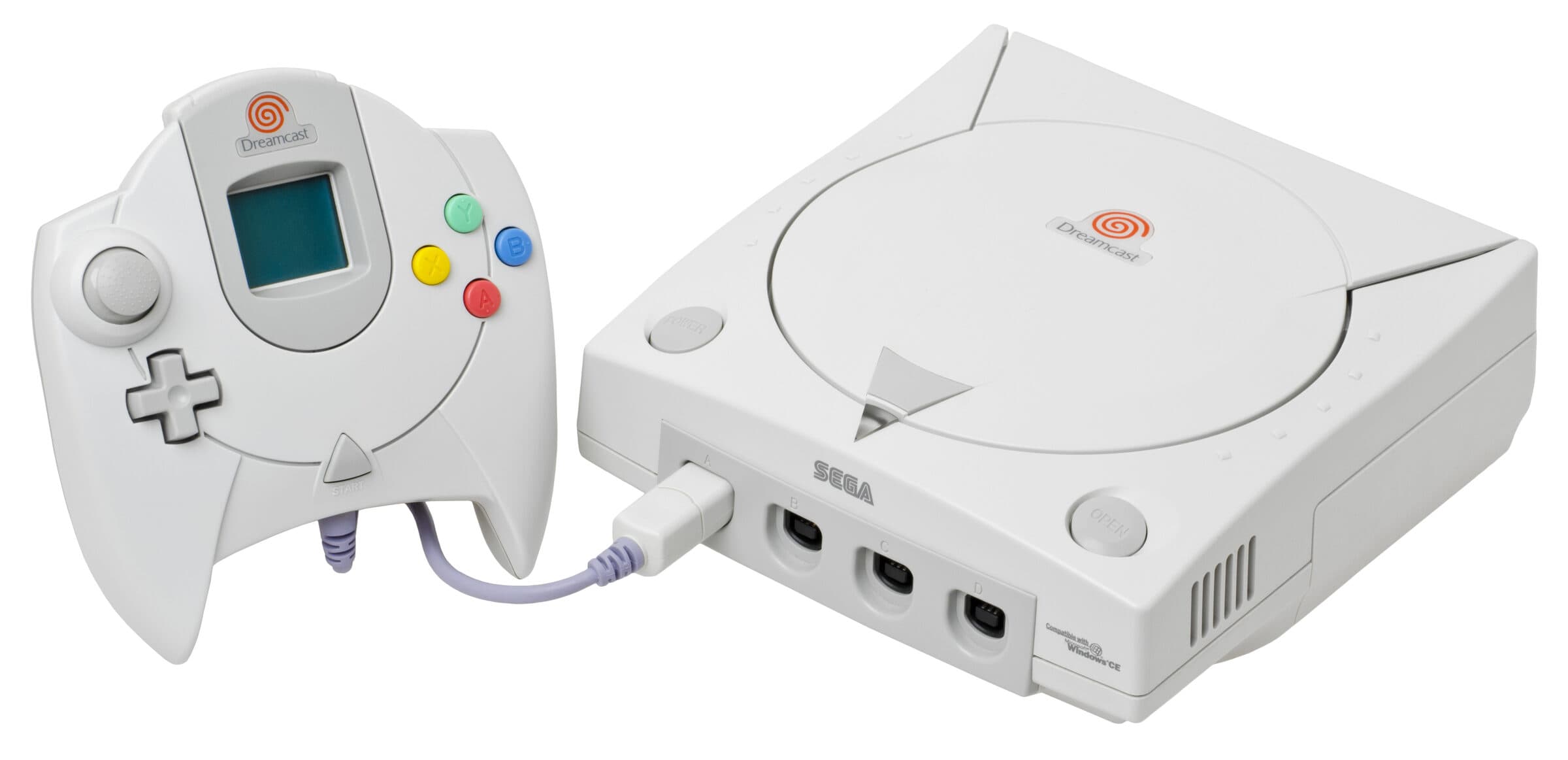
Shenmue shipped in Japan in December 1999 and in PAL territories in November 2000. Yu Suzuki had been working on it under the codename Project Berkley since 1996. By the time the first instalment shipped, Sega had spent an estimated US$70 million on the engine, the systems, the writing, and the cast, a number that would not be eclipsed by another game's budget for nearly a decade.
What it is
A 20-hour open-world adventure set in Yokosuka, Japan, in late 1986. You play Ryo Hazuki, a teenage boy whose father has just been murdered by a Chinese martial artist named Lan Di. The plot follows Ryo's investigation as he canvasses Yokosuka for leads, gets in fights, learns Tai Chi, works a forklift driver day job at the harbour, plays Space Harrier in the local arcade, and (eventually) tracks his father's killer to Hong Kong, setting up Shenmue II.
It is also a weather simulator, a Capsule Toy collector simulator, a Forklift Manager simulator, and a phone-call-roleplaying adventure. Shenmue tries to be everything it can think of, and most of the time it is.
Why it matters
Shenmue coined "FREE", Full Reactive Eyes Entertainment, Sega's marketing term for what we'd now call "open-world systemic design". NPCs have schedules. Shops open and close. It rains when the in-game weather report (which Ryo can watch on TV) says it will rain. The town is small by modern standards but everything in it persists across the day and night cycle, which in 1999 was unprecedented at this fidelity.
The game also pioneered the Quick Time Event, short cinematic sequences punctuated by single-button presses. Every QTE-laden game since (God of War, Heavy Rain, Resident Evil 4) is following a path Shenmue paved.
The voice acting is famously stilted, the pacing is glacial, and the writing alternates between earnest and unintentionally funny. None of it bothers you if you're on its wavelength.
The catalogue position
Shenmue was meant to be Sega's killer app for the Dreamcast. It sold around 1.2 million copies, well shy of the 2 million it needed to break even, and contributed materially to Sega's exit from console hardware. It is also the game most cited when Dreamcast loyalists explain what was lost when the platform died.
Worth playing in 2026?
If you have patience, yes. The Shenmue I & II HD Collection (2018) is on PS4, Xbox One, and Steam, runs in widescreen, sharper textures, the original voice tracks intact. The Dreamcast original is hard to find at reasonable prices in PAL form (AU$80+ loose). Start with the HD collection, and only chase the original cart if you fall in love.