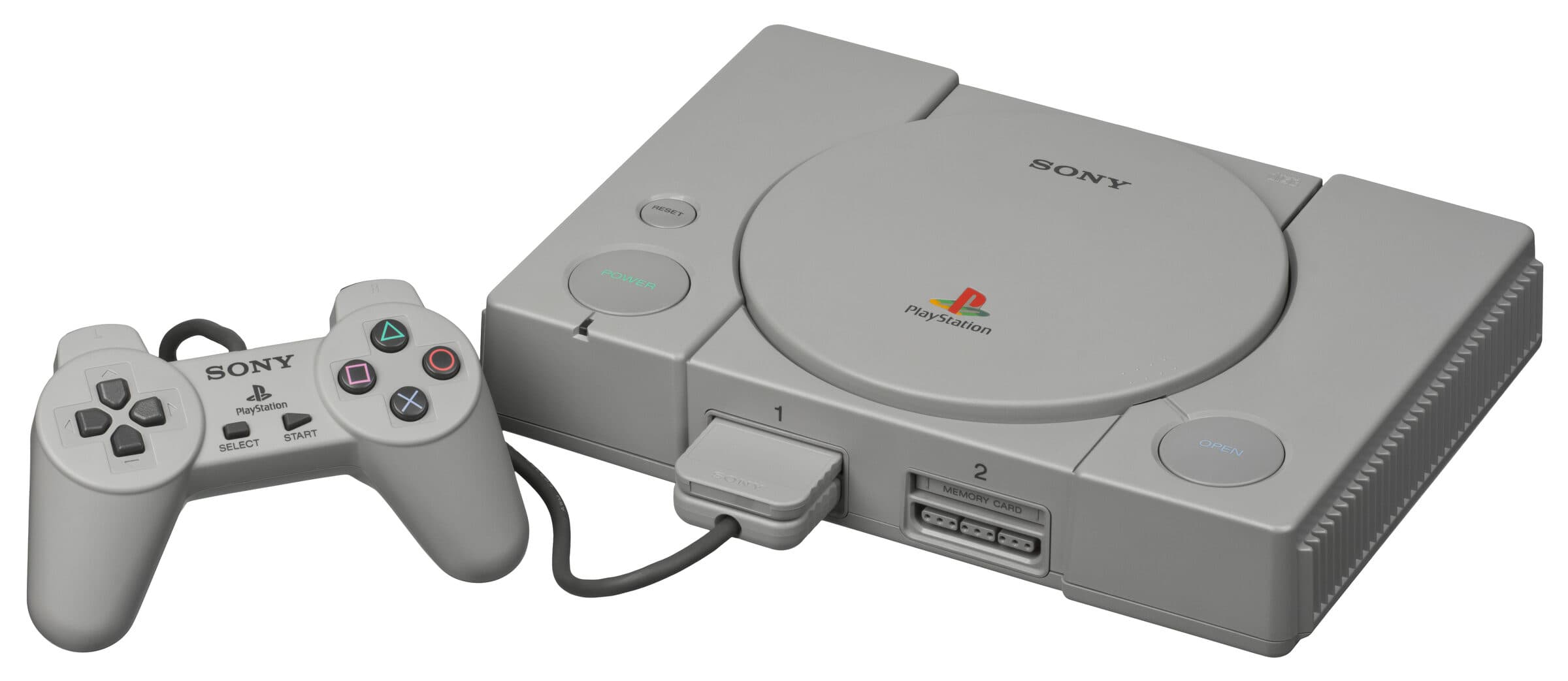
Metal Gear Solid shipped in Japan in September 1998 and in PAL territories in February 1999. It was Hideo Kojima's first attempt at fully realising the stealth-action concept his earlier Metal Gear and Metal Gear 2: Solid Snake had sketched on the MSX2, with the polygonal graphics, voice acting, and CD-ROM cinematic budget the PlayStation gave him. It also has the longest cutscenes in any video game shipped to that date and is somehow not worse for it.
What it is
A 12–15 hour stealth-action game in which you control Solid Snake, a retired special operative recalled from cryosleep to infiltrate a nuclear weapons disposal facility on the Alaskan island of Shadow Moses. The facility has been seized by a rogue special-forces unit called FOXHOUND. Your mission is to rescue two hostages, prevent the launch of a nuclear weapon, and figure out which of FOXHOUND's members is the one trying to engineer your death.
Why it matters
Metal Gear Solid taught the industry that polygonal action could be paced like a thriller. Long cinematic cutscenes are bookended by tense play sequences; Codec calls (radio dialogue from supporting characters) deliver narrative without taking control away. The Psycho Mantis boss fight famously reads your memory card and tells you what other Konami games you've been playing, a fourth-wall break that depends entirely on the medium and could not exist in another. The shoulder-button controls, the radar with cones-of-vision, the alert/evasion/caution state machine: all standard in stealth design now, all here first or canonised here.
Kojima's writing is operatic and sincere about its themes, nuclear deterrence, genetic determinism, the responsibility of soldiers to refuse unjust orders. Some of it is silly. None of it is condescending.
The catalogue position
It was the game that proved the PlayStation could do prestige adult drama. It sold about 6 million copies, spawned a franchise (MGS2, MGS3, MGS4, plus Peace Walker, Ground Zeroes, The Phantom Pain), and made Kojima one of the few celebrity auteur designers in the medium.
Worth playing in 2026?
The original PlayStation version still works on a PS1, PS2, or PS3 (via PSN's PSone Classics). Metal Gear Solid: The Twin Snakes (GameCube remake, 2004) updated the engine but rewrote some cutscenes in ways longtime fans dislike; the original is the more historically interesting version. The Master Collection Vol. 1 (2023) bundles the original with MGS2 and MGS3 on modern platforms, that is the practical pick.